The right to know – discover SDDS
A new service is helping people use their data rights to understand how technology shapes wellbeing
Since the beginnings of the internet in the early 1980s, our lives have become increasingly digitised. It’s no surprise that some of the most pressing questions about what makes us happy, healthy, and human are not about what happens offline, but online.
Corporate data silos
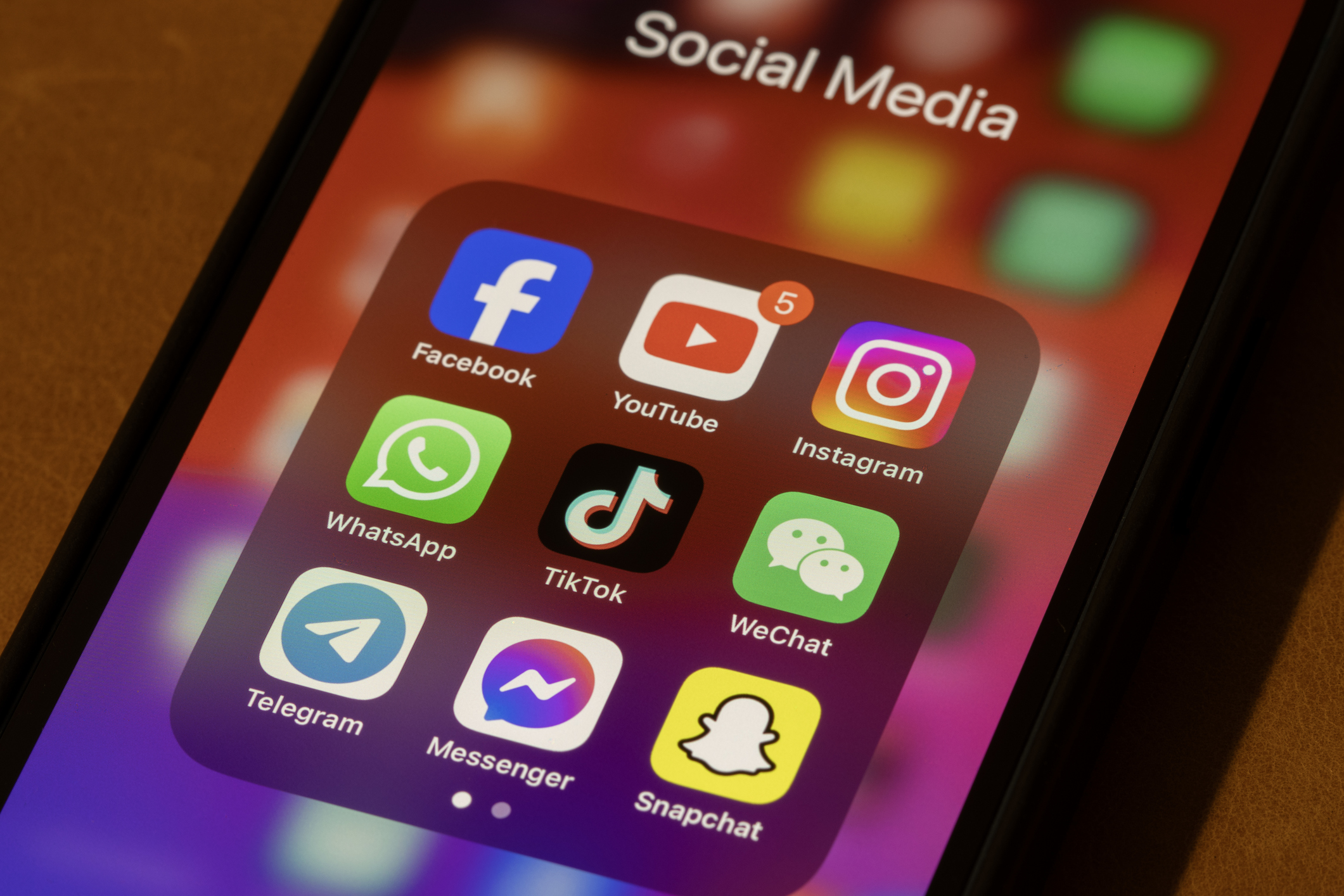
Unfortunately, it’s difficult to really understand how digital technologies affect our wellbeing. Researchers are held back by a seemingly insurmountable problem: almost all high-quality data about our digital lives is stored inside the servers of platform providers and other large companies, beyond the reach of independent research.
What kinds of data are we talking about here? Things like lists of adverts you’ve been served throughout the day, videos recommended to you, and time-stamped records of when apps were used. Researchers typically can’t access this data, and are forced to rely on inaccurate substitutes instead.
A rights-based solution
The Smart Data Donation Service (SDDS) is part of a new national data infrastructure – one of six Smart Data Research UK data services. The SDDS is designed to reduce the impact of corporate data monopolies by enabling normal people to use their existing rights to access their data and donate it to research.
In the UK, individuals benefit from a comprehensive suite of data rights under the UK GDPR. One of these is the right to data portability (Article 20). People can ask a company to give them the personal data it holds about them, and it must be provided in a structured, commonly used, machine-readable format. When it is technically feasible, the company must allow its transmission to another organisation such as the SDDS.
As the SDDS, we will then use that data to support public interest research at scale. If thousands of people choose to donate copies of their data to SDDS, we can create a panoramic view of online life that has, until now, eluded us. This will help researchers understand when digital technology supports human wellbeing and when it undermines it.
Our data, wrapped
It’s important to remember that companies are already using our data in sophisticated, useful and often delightful ways. Spotify Wrapped tells us about our most-played songs and how this compares to what our friends are listening to. Netflix recommends shows based on our viewing history. These services work because they have rich, detailed data about what we actually do, not what we say we do.
But this same data could answer far more important and pressing social questions. Do algorithms trap people in increasingly harmful or extreme content? How do online communities influence our politics? How do livestreaming platforms shape youth culture? Do messaging app features support or undermine meaningful connection? Which recommendation systems promote reliable health information versus misinformation? These questions are urgent and the data to answer them exists. But right now, only the companies can look.
This is both a research problem and a democratic issue. Decisions about how social media platforms should be regulated, whether children should have smartphones, and how algorithms shape our information environment are being made right now. But parents, teachers, doctors, and policymakers are forced to make decisions based on anecdote and guesswork.
Our data should work for us, for all of us. It’s already being collected. It’s already being analysed. SDDS simply redirects it toward answering fundamental questions that matter to the public.
Our mission
SDDS enables people to take control and donate their digital data – the data that companies already hold about them. People can do this lawfully and safely, with informed consent. We then securely standardise and store these sensitive records within a secure research environment. Access for independent researchers is governed through technical safeguards, robust governance procedures, and transparent oversight.
Our aim is simple: to enable high-quality data about digital ecosystems to be widely used in public interest research. With better evidence, parents, clinicians, and policymakers can make more informed choices about how online environments are designed and regulated.
Want to get involved?
Visit sdds.ac.uk to learn more about data donation or accessing the service for research.
Together, we can help build a safer and better digital future for everyone.
Blog by Dr David Zendle, director of the Smart Data Donation Service. You can join David for a Lunch and Learn webinar on 6 May 2026, 12:00pm – 1:00pm – register here.
