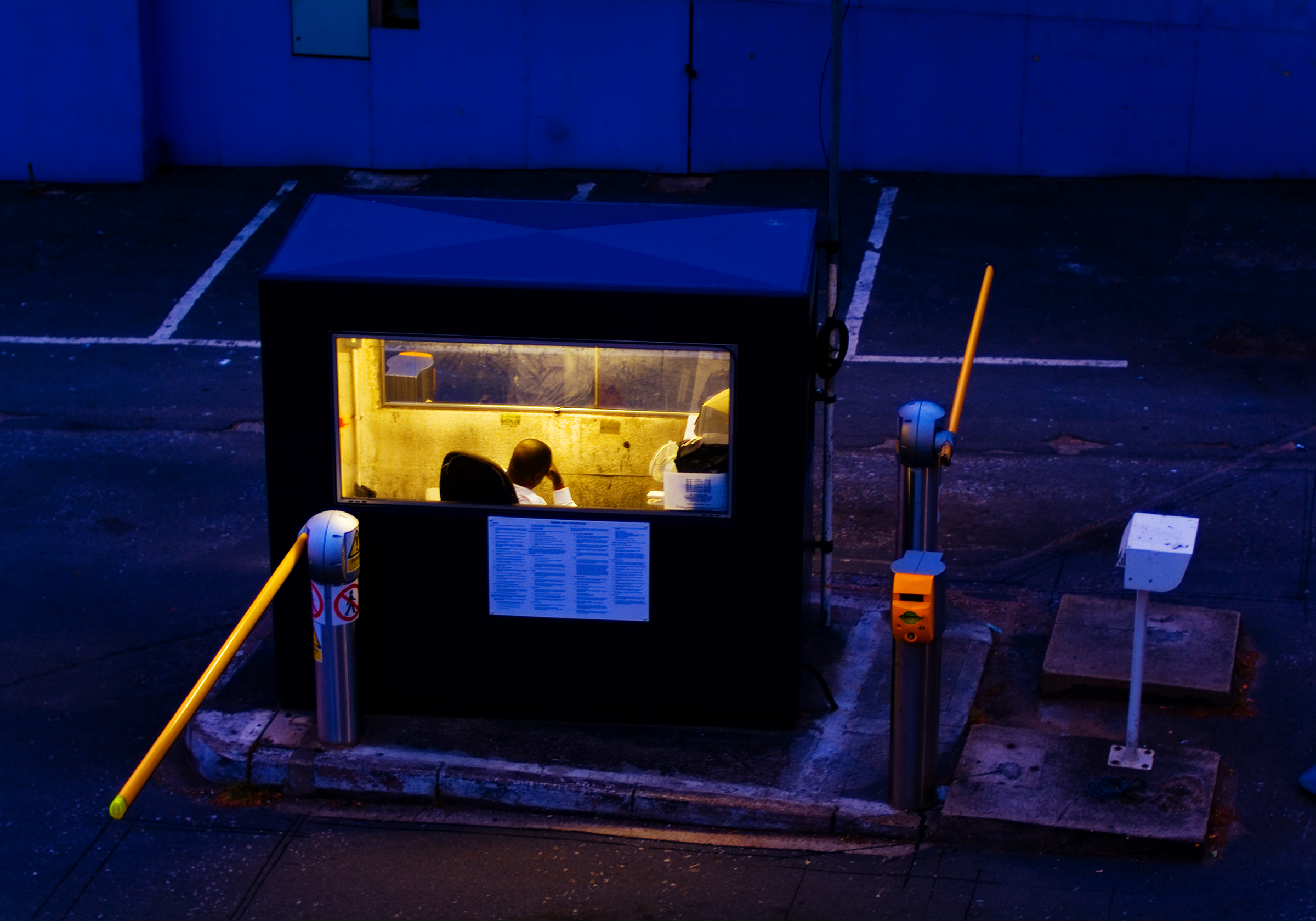
Mobile data reveals night worker inequalities
Night workers face inequalities in pay, health, safety and dignity
A ground-breaking study using innovative smart data techniques has exposed stark inequalities facing London’s 1.3 million night workers, from pay gaps and health risks to safety concerns and lack of workplace dignity.
Night workers make up a quarter of London’s workforce, yet traditional data collection methods have largely overlooked them. This research demonstrates the power of smart data to show hidden social inequalities and inform evidence-based policy.
The Data after Dark project was supported by the Geographic Data Service (GeoDS), an SDR UK data service. Researchers combined spatial analysis using mobile phone data with worker surveys and interviews to create the most comprehensive picture yet of night workers’ lived experiences.
Key Findings
Of those night workers who responded to the researcher’s survey:
- 29% earn below the London Living Wage
- 63% have limited access to healthy food during work shifts
- 20% feel unsafe commuting after dark
- Night workers are disproportionately from ethnic minority backgrounds, with many working multiple jobs under precarious conditions
Lead researcher and Deputy Director of the Geographic Data Service, Professor James Cheshire, said: “Up to now, relatively little data has been gathered on the experiences of night workers because the statistical infrastructure in the UK largely assumes a consistent 9 to 5 working pattern, missing many who work outside those hours.
“Night workers make up a diverse but fragmented workforce that spans multiple sectors, both public and private. This includes most commonly hospitality, food delivery, cleaning, maintenance and security work.”
He added: “London is a vibrant and complex 24-hour metropolis that relies on those who clean offices, stock shelves and keep deliveries moving while most of us sleep.
“This study highlights the stark differences in their working and economic conditions, that impacts their safety, health and wellbeing. Our series of policy recommendations would go some way to addressing these disparities.”
The research has informed policy recommendations relevant to the UK’s Employment Rights Bill, covering fair wages, transport infrastructure, health support, and workplace safety.
Read the full Data after Dark report and night worker stories →
