Billboards, bus stops and obesity
Addressing the gap in the advertising ban
Did you notice the absence of puddings, chocolates, trifles and cheesecakes in 2025’s Christmas adverts? Most retailers opted for festive tables piled high with vegetables – a sign of change already underway.
What’s happening?
Back in October 2022, as part of the Conservative government’s Childhood Obesity Strategy, limits were introduced on High Fat, Sugar and Salt (HFSS) products, including where they could appear in supermarkets, both in-store and online.
Research from the University of Leeds (through the DIO food project) found two million fewer HFSS products were sold per day after the legislation took effect, despite lingering gaps in enforcement.
The Childhood Obesity Strategy also proposed restrictions on online and TV advertising. When Labour came to power in 2024, they continued this work, and the new rules are now in place.
Advertising restrictions have changed how HFSS products – identified using the Nutrient Profiling Model (NPM) – can appear online and on TV:
- HFSS products can no longer be advertised before the 9pm watershed on both traditional TV and on-demand services.
- There is now a complete ban on paid-for advertising of HFSS products online. Brands can’t pay influencers to promote these products, though they can still post about them on their own social media accounts and websites.
This matters because obesity is now the leading risk factor for long-term poor health and disability in the UK. Since 1990, the number of healthy years lost to obesity-related illness has doubled and now exceeds the health burden caused by tobacco.
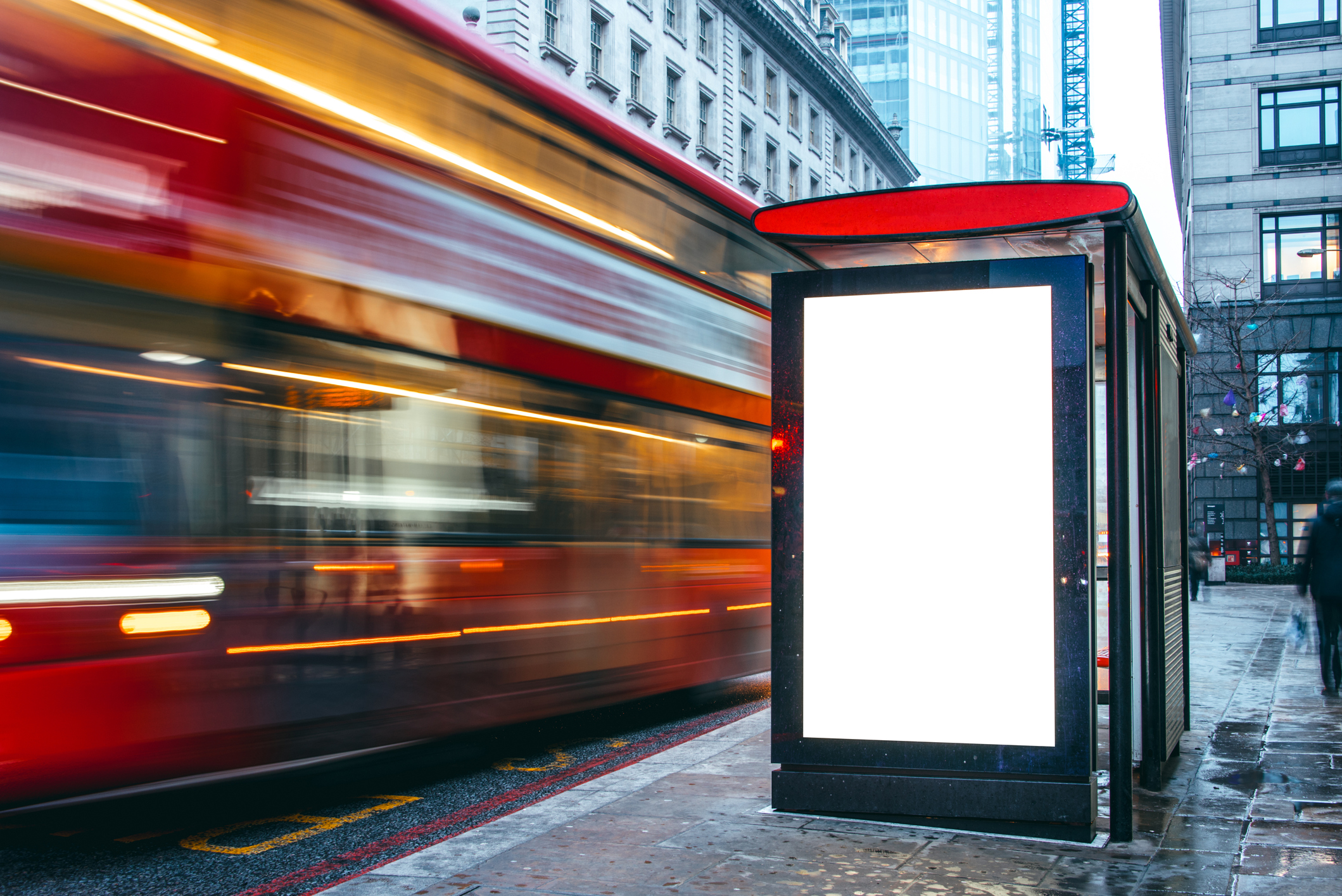
But the stricter rules for TV and online still leave one area untouched: outdoor advertising – billboards, building sides, and bus stops. Some local restrictions do apply; see Sustain for an up-to-date list.
Mapping advertising
Our team at the Healthy and Sustainable Places Data Service (HASP) focuses on improving the health and sustainability of places. Our Mapping Advertising Assets Project (MAAP) found that in Leeds, more advertising spaces were located in deprived neighbourhoods, and a higher proportion of these adverts promoted food.
Now that restrictions exist for online and on TV, advertisers will likely seek other opportunities. Unhealthy food advertising may shift outdoors, amplifying existing inequalities. The Food Foundation recently reported that outdoor advertising spend rose by 28% between 2021 and 2024, following the government’s announcement of the online and TV ban.
When it comes to outdoor advertising, data is key. Understanding how much advertising exists, where it’s concentrated, and how it changes over time is essential for enforcement and for tackling health inequalities. This is an opportunity for smart data and people power to help.
Getting smarter with advertising data
Understanding how much outdoor food advertising we’re exposed to isn’t easy – unless, like the MAAP research team, you physically go out and collect it. There are three main challenges:
1. Identifying HFSS products
Determining which products are high in fat, sugar, and salt (HFSS) is essential for enforcement. This was a challenge under product placement legislation due to gaps in publicly available data – and it’s likely to remain an issue for advertising rules. While TV ads are easier to monitor because they must be submitted to Ofcom before airing, enforcing policies online and on social media will be far harder.
AI could help enforce new online and TV regulations, but assessing Nutrient Profile scores and confirming whether a product falls under the rules will remain difficult without open product data that goes beyond packaging labels.
2. Mapping advert locations and monitoring their content
Currently, there is no centralised database of advertising asset locations and what’s displayed on them. They’re owned by different entities – some by local authorities and public transport agencies, some by private companies. So, researchers and regulators must develop their own data.
Smart data sources could help: image capture from dashcams, CCTV, citizen science (like BiteBack’s ‘Keep an Eye on Big Food’ campaign) and social media images could all help to locate advertising spaces and capture what’s on them.
3. Quantifying exposure to outdoor advertising
To measure exposure, we first need to define it – and it varies by context. In the MAAP research, exposure was measured as the total number of adverts within each neighbourhood. We found differences between residential and non-residential areas, and clustering around main roads.
But exposure isn’t just about location – it’s about interaction. Waiting 15 minutes at a bus stop next to an advert is very different from walking past quickly.
Citizen science projects, wearables, footfall cameras, and sensors could help map real-world movement and exposure. Linking these data with food purchasing patterns could reveal how advertising influences what people buy.
Help us close the gap
We know advertising works, and big brands are already increasing their spend on outdoor advertising following restrictions elsewhere. Understanding food advertising exposure and its impact on diets and public health has never been more important.
Whether you’re a researcher, policymaker, local authority, or concerned citizen, there are ways to contribute:
- Get involved with this research community by emailing: v.l.jenneson@leeds.ac.uk
- Access the dataset from the Leeds MAAP project at HASP
- Contribute to youth activist charity Biteback’s campaign to ‘Keep an Eye on Big Food’
- Try out HASP’s Nutrient Profiling Model calculator
Blog by Dr Vicki Jenneson, who has conducted research into the prevalence of outdoor advertising in Leeds, and HASP’s Lizzy McHugh, Impact and Partnership Manager.
