Taking night workers research to Parliament
SDR UK at Evidence Week 2026
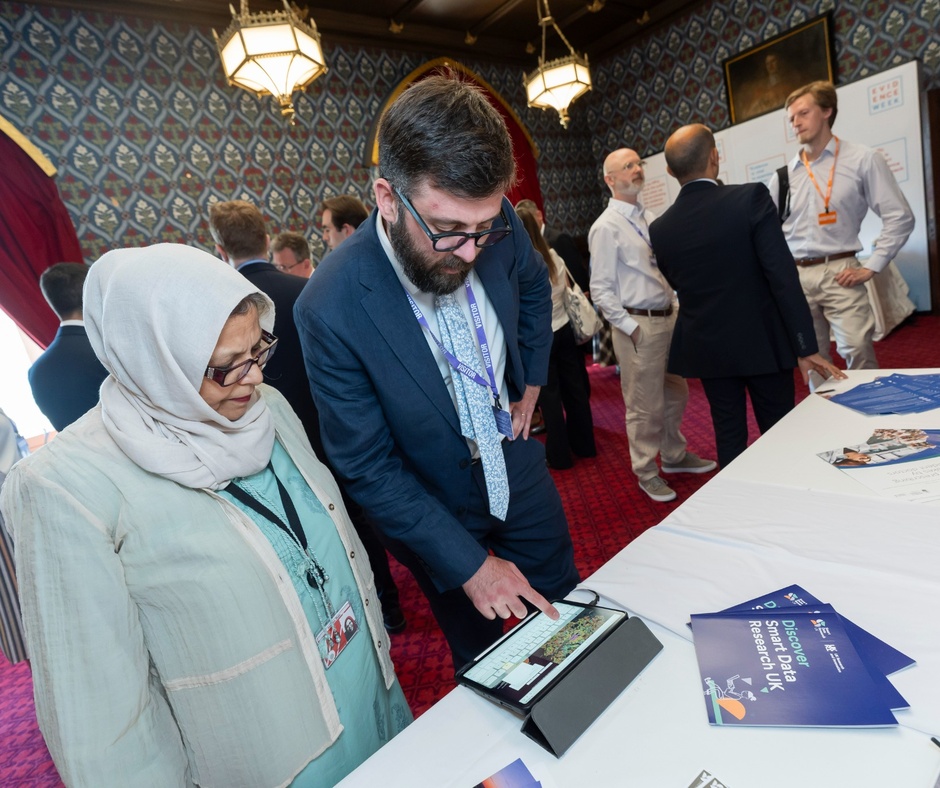
The Geographic Data Service’s Professor James Cheshire and Reem Khurshid, alongside SDR UK’s Director Joe Cuddeford and Sarah Shaw met with members of Parliament, peers and journalists in Westminster in July to present Data After Dark – insights into night workers for better policy.
Research from Data After Dark provides the most comprehensive portrait to date of London’s 1.32 million night workers. People who work at night play a vital but largely invisible role in sustaining the economy, public services, and infrastructure, yet face disproportionate risks across health, safety, pay, and representation. The research combines surveys, long-table discussions, and smart data analysis to identify evidence-led actions to improve fairness and safety, and to ensure the 24-hour economy is resilient and socially just.
As part of Evidence Week in Parliament, Professor Cheshire highlighted the need to review current policies in light of the latest available evidence on night workers’ working conditions, health risks and safety concerns.
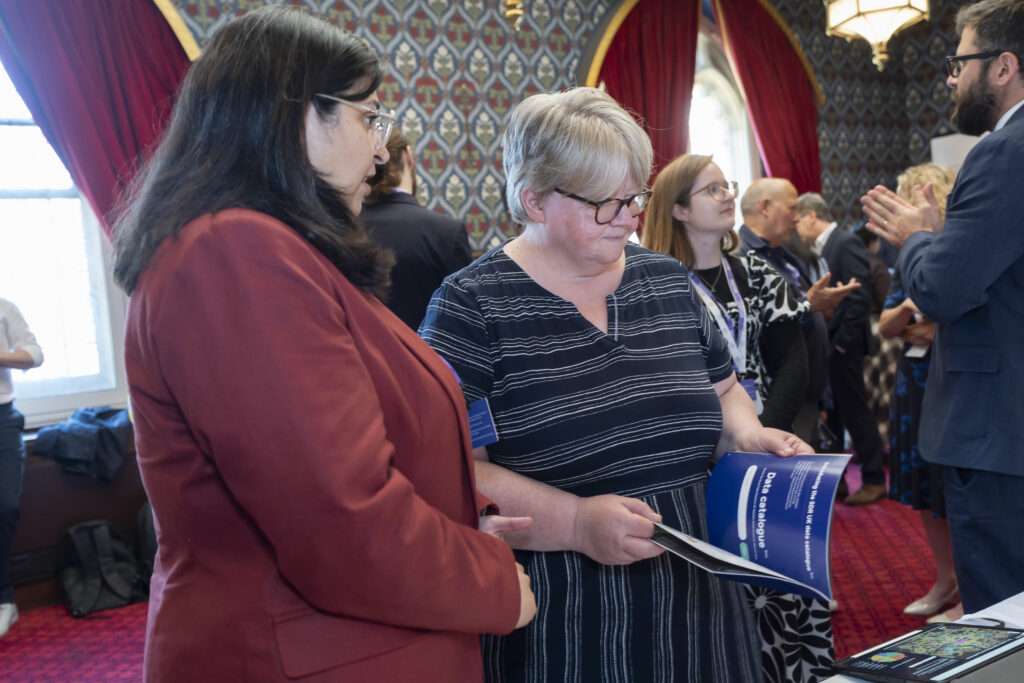
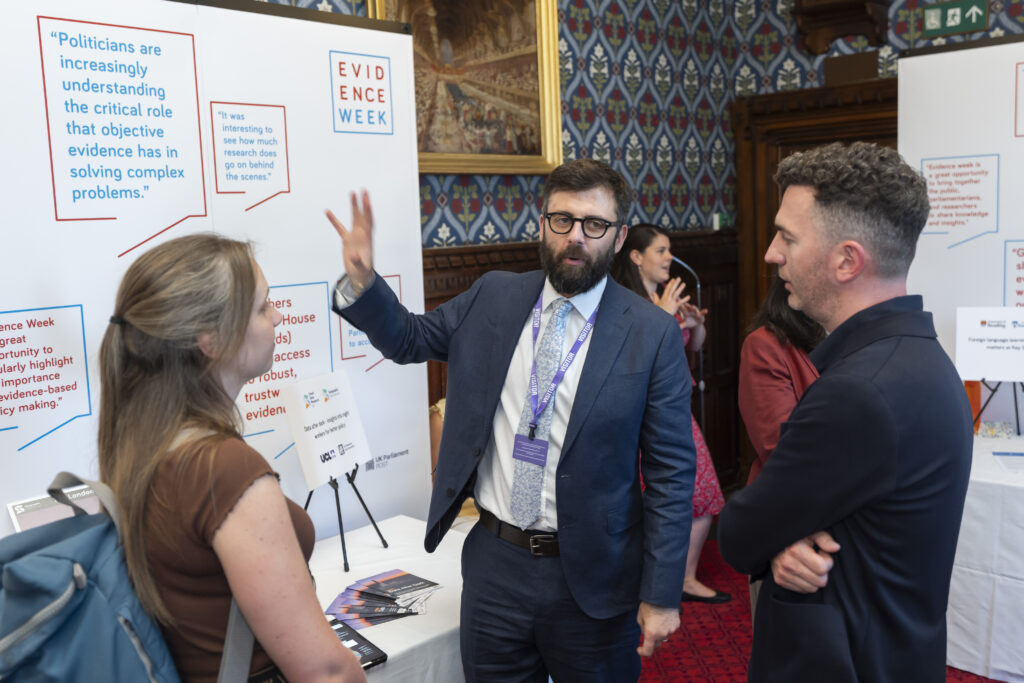
Evidence Week is a unique annual meeting that brings together the public, parliamentarians and researchers from across the UK to discuss how evidence is used and reviewed in Parliament. As part of the week members of the public put questions directly to MPs and Lords about evidence use on the issues that matter to them.
Evidence Week, now in its ninth year, is run by the campaigning charity Sense about Science, in partnership with communities and research institutions from across the UK. During the week, MPs meet with leading scientists to get the latest insights on pressing issues covering topics as varied as clean energy to AI sovereignty. It is an opportunity for the public, parliamentarians and researchers to come together to share knowledge and insights.
It also empowers legislators to engage with evidence and equips them with the critical tools to handle uncertainty, identify bias and scrutinise underlying assumptions.
Tracey Brown, Chief Executive of Sense about Science, said:
“Between elections, Parliament is responsible for the checks and balances on government policy, for making sure that policy matches the real world and that it is based on sound evidence. Evidence Week offers politicians the chance to engage with leading research groups to discuss their latest findings and tools in rapid-fire briefings that fit between parliamentary business.”
Explore
Notes
Evidence Week in Parliament 2026 is organised by Sense about Science. Running from 6-10 July, Evidence Week opened with an in-person reverse select committee hearing where constituents asked MPs about the evidence behind policy issues that matter to them. This was followed by three days of rapid-fire policy briefings from world-class researchers for MPs and peers in Westminster. National experts trained parliamentary staff on how to understand data and research, and scrutinise reports and evidence presented to them.
See https://senseaboutscience.org/evidence-week/ for the full programme.
Sense about Science is an independent charity that promotes the public interest in sound science and evidence. Founded in 2002, Sense about Science works with decision-makers, world-leading researchers and community groups to raise the standard of evidence in public life. It focuses on socially or scientifically difficult issues where evidence is neglected, conflicting or misunderstood. Visit https://senseaboutscience.org/
A full list of this year’s partnering research organisations can be found here: https://senseaboutscience.org/evidence-week/policy-briefings/
