Can smart data help us spot cold homes?
Using smart data to understand cold homes and their potential health impacts.
Dr Mingyu Zhu | University of Glasgow | SDR UK Fellow
The challenge
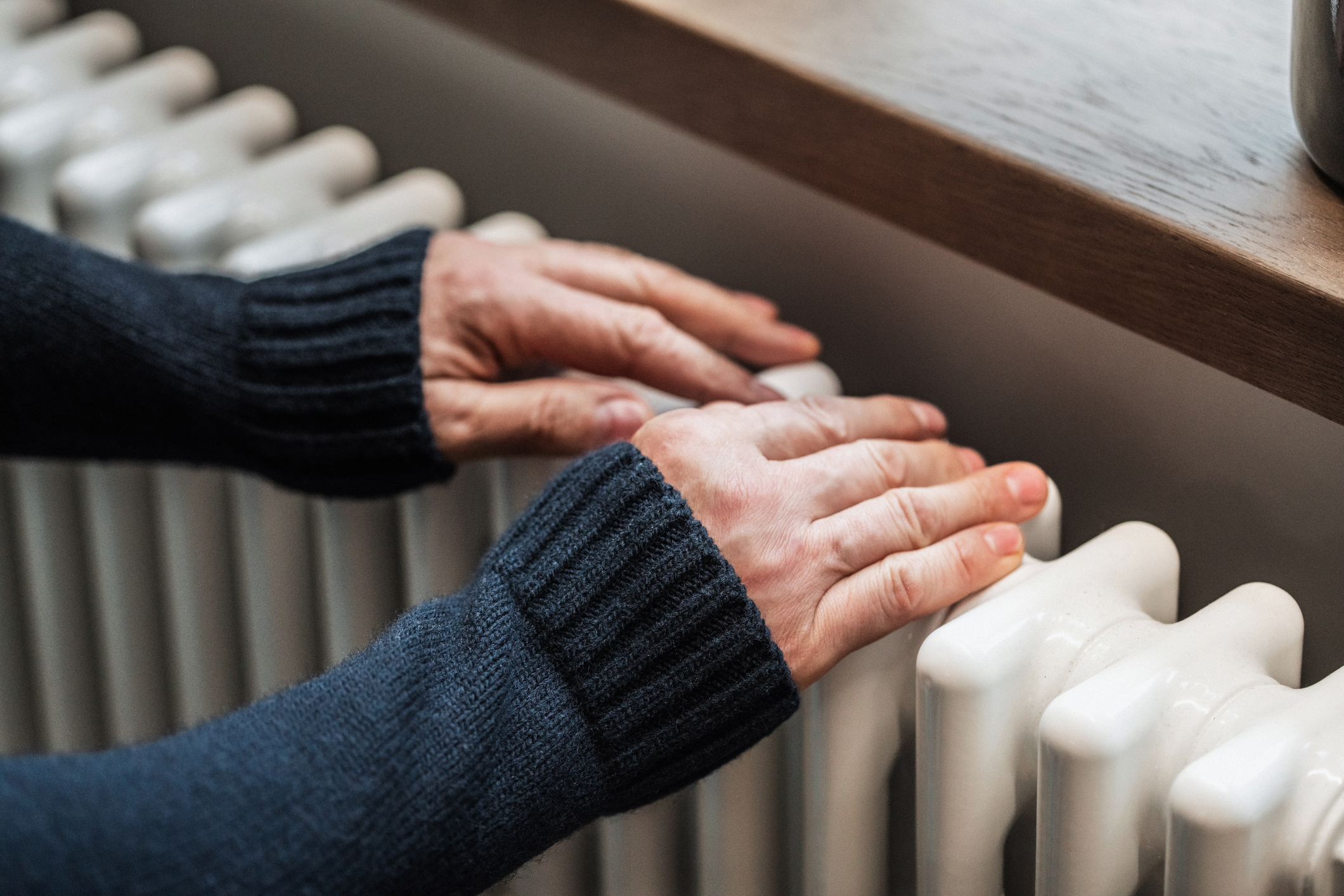
Living in a home that is too cold is bad for your health. The World Health Organization recommends keeping homes at 18°C or above in winter, and warmer for older people, young children and people with health conditions. Colder homes are linked to heart and circulatory problems, respiratory disease, depression and poor sleep.
Many UK households struggle to stay that warm. Much of our housing was built long before modern insulation, and rising energy costs force many people to choose between heating and other essentials. Those most at risk include older people, people on low incomes, and families in draughty, poorly insulated homes.
Policymakers want to help, but they have no reliable way of telling which homes are dangerously cold. As a result, support often misses the households that need it most.
Mingyu’s research asks: can we tell which homes are dangerously cold, without having to test each one?
The idea
| Measuring the temperature of every home in the country would be impractical and costly. But much of the information needed to make a good estimate is already available through smart meters. Smart meters record how much energy each household uses. Government records describe homes and the people who live in them. Weather services track the temperature outside. Mingyu will bring these different sources of data together to develop and test models that estimate indoor temperatures in homes where direct measurements are unavailable. And, investigate how exposure to cold indoor environments relates to health |
Three things Mingyu will do
01 | Build a model
Use detailed sensor readings from 120 UK homes to build a thermal simulation and calibration model that predicts the temperature indoors, based on a home’s features (what the house is like), energy use and local weather. Then test its predictions against the real readings.
02 | Link cold to health
Investigate if colder homes make people use our health care services differently
03 | Map the risk
Apply the model nationally, to create a cold-home index, identifying cold-home risk across the UK
Why smart data?
Sensors placed inside homes give an accurate measurement of how warm they are, but only in a small number of homes.
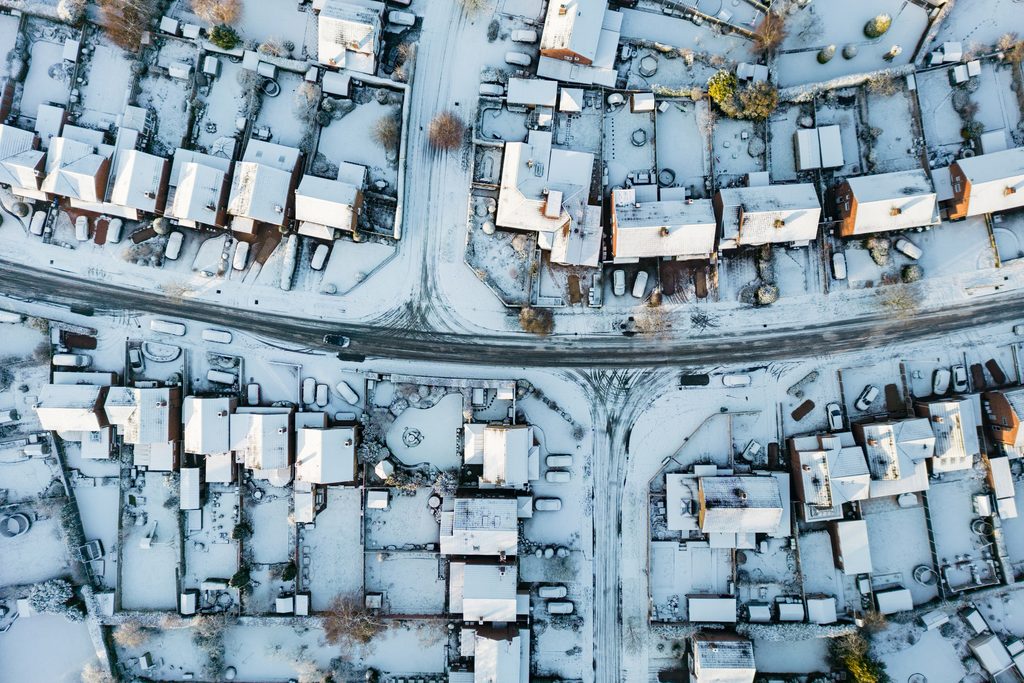
Smart meter, housing and weather data cover millions of homes, but reveal nothing directly about how warm it is inside. A home using lots of gas could be losing heat through bad insulation and remain cold.
But combining the two makes it possible to estimate conditions in homes that have never been measured.
What could change?
Support for those living in cold homes often arrives too late or not at all.
This research could give policymakers, councils and health services a way to identify areas and types of homes most at risk. It could help them:
- Direct insulation and home improvements to where they will have the most impact
- Offer health support sooner to those in need, so fewer people end up needing extensive NHS care
- Check whether fuel poverty policies are reaching the right people.
Mingyu’s view
“An energy bill can tell us how much a household spends, but not whether the people inside are keeping warm. By combining real indoor measurements with information about homes, energy use and people’s circumstances, I hope we can make this often invisible health risk easier to identify, and help ensure support reaches those who need it most.”
Mingyu is an urban data scientist at the University of Glasgow. Originally trained as an architect, Dr Zhu brings together engineering, social science and design to study how homes, cities and infrastructure adapt to climate change and a changing society.
“Coming from an architecture background, I’ve always been interested in the gap between how buildings are designed and how people actually experience them. What excites me most is the opportunity to connect these two worlds, using smart data to understand what everyday living conditions mean for people’s wellbeing.”
Working with SDR UK’s data services
| Mingyu’s research builds on a dataset created through a collaboration between three partners: Urban Big Data Centre (UBDC), University of Glasgow UBDC led the indoor-sensor component of the Indoor Environment and Energy Use Study, developed in collaboration with Understanding Society and SERL through the Understanding Society Innovation Panel. Mingyu’s subsequent research using this data is supported by an SDR UK Fellowship. Sensors placed in volunteers’ homes record indoor temperature, humidity and air quality. Institute for Social and Economic Research (ISER), University of Essex ISER runs Understanding Society, the UK Household Longitudinal Study. Its volunteer households take part over many years, and their survey answers give detailed information about each family. Smart Energy Research Lab (SERL), UCL SERL provides smart meter data showing how much energy each home uses. Together, these sources give a detailed picture of 120 homes through the winter: the temperature inside, energy use, household circumstances and use of health care. |
From research to action
Mingyu will produce a national cold-home index, showing where dangerously cold homes are most likely to be.
Because the approach can be applied anywhere in the UK and repeated over time, it can also be used to track progress and help assess changes over time. The aim is to get help to the people who need it most, before the cold makes them ill.
At a glance
Researcher
Dr Mingyu Zhu
Institution
University of Glasgow
Theme
Housing and health
Research period
2026 to 2027
SDR UK Fellowship
Up to £200,000
Working with
UBDC · ISER (Understanding Society) · SERL
Smart Data Research UK would love to hear about your research!
Do you have a smart data case study to share? Contact our team at smartdataresearch@ukri.org to showcase your work.